All Categories
Featured
Table of Contents
, which provides five circumstances including young grownups believing about financial choices. Click arrows next to headers to arrange in Rising or Descending order.
Individuals likewise look for: stand out power bi esg accounting balance sheet fmva genuine estate
Our Programs Can Help People of All Ages Enhance Their Financial Abilities & Understanding
Reviewing Credit Repair Laws in 2026Understanding New Credit Repair Laws 2026
The 5 concepts develop on insights about how people make financial choices, marshalled from numerous disciplines, and on what we have discovered customers' own experiences in the financial market.
Conserving & Budgeting Humiliated by cash mistakes? Speak about them. By opening, you learn you're not alone and gain confidence to progress. In these videos, people like you share their oversights and get guidance from Better Money Habits Champions. View video, 7 minutes
(GCShutter) About half (54%) of U.S. adults say they understand a good deal or a fair amount about individual financial resources. Another 33% state they know some about personal financial resources, while 13% state they don't understand much or know absolutely nothing at all, according to a 2023 Seat Research Center survey. Knowledge about individual financial resources can describe several methods for managing cash, consisting of conserving, budgeting, managing debt or investing.
We surveyed 7,470 U.S. adults from Sept. 12 to 24, 2023, in English and Spanish. The Black adult sample consisted of those who identify as Black and non-Hispanic, multiracial Black and non-Hispanic, or Black and Hispanic.
Participants were recruited through national, random sampling of property addresses. Hiring panelists by mail ensures that almost all U.S. grownups have an opportunity of selection. This gives us self-confidence that any sample can represent the entire population. For more details on random tasting, describe our Methods 101 explainer. Learn more about the concerns used for this analysis and the survey method.
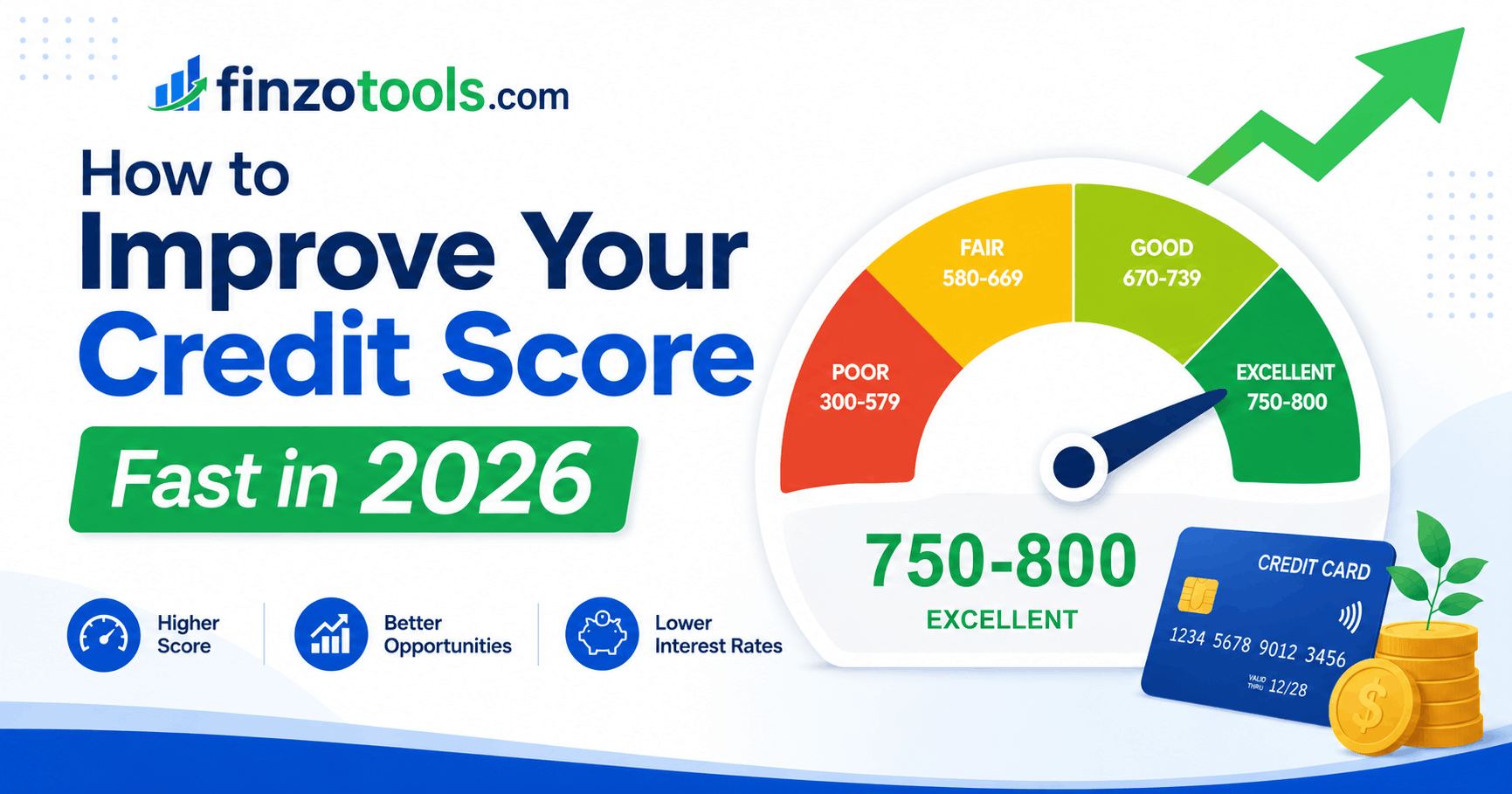
How to Increase Credit Score Fast 2026
There have actually long been economic gaps between Americans of various backgrounds, and our survey also finds gaps in monetary literacy: Americans in households with upper incomes (72%) are more most likely than those in families with middle (56%) or lower incomes (42%) to state they know at least a fair amount about personal financial resources.
About half of Asian grownups (49%) say the same. These distinctions by race stay no matter earnings. Adults ages 50 and older (63%) are more most likely than those 18 to 49 (45%) to state they are well-informed about individual financial resources. On the other hand, about one-in-five Americans with lower earnings (22%) state they do not know much or understand absolutely nothing at all about individual finances.
About a quarter of Hispanic adults (27%) say the very same, greater than amongst Asian (17%), Black (14%) or White adults (8%). U.S. adults have actually mixed confidence in their capability to perform different financial skills. The Majority Of Americans (75%) say they are very or really confident in their ability to find their credit report.
By contrast, just 27% express self-confidence in their capability to produce an investment strategy to build wealth. Americans' confidence in these skills varies by income, race and age: U.S. grownups with upper earnings are most likely than those with middle or lower incomes to state they are positive in their capability to do each of these things.
Adults ages 50 and older are most likely than those 18 to 49 to believe in their capability to do each job other than produce a financial investment plan. Across age, likewise little shares reveal self-confidence they can do that. In addition, about one-in-five U.S. adults (21%) are positive in their ability to carry out every financial skill we inquired about.
Find Free Financial Counseling Near Me
13% of Americans are not confident in their capability to do any of these money management abilities. Hispanic (21%), Asian (21%) and Black adults (17%) are most likely than White grownups (8%) to state this. And 22% of those with lower earnings say this, compared with fewer than 10% of those with middle or upper incomes (9% and 5% respectively).
Fairly few Americans have actually found out about this in school, our study finds. Amongst U.S. grownups who are knowledgeable about individual finances, 49% state they learned an excellent deal or a fair quantity about individual financial resources from friends and family. That is the highest share for any source we asked about.

Latest Posts
Effective Credit Counseling Strategies for 2026
Evaluating Credit Repair and Financial Options
Comparing Credit Repair and Financial Options